

Whole Foods Slip and Fall California – What To Do After a Grocery Store Injury
 0
0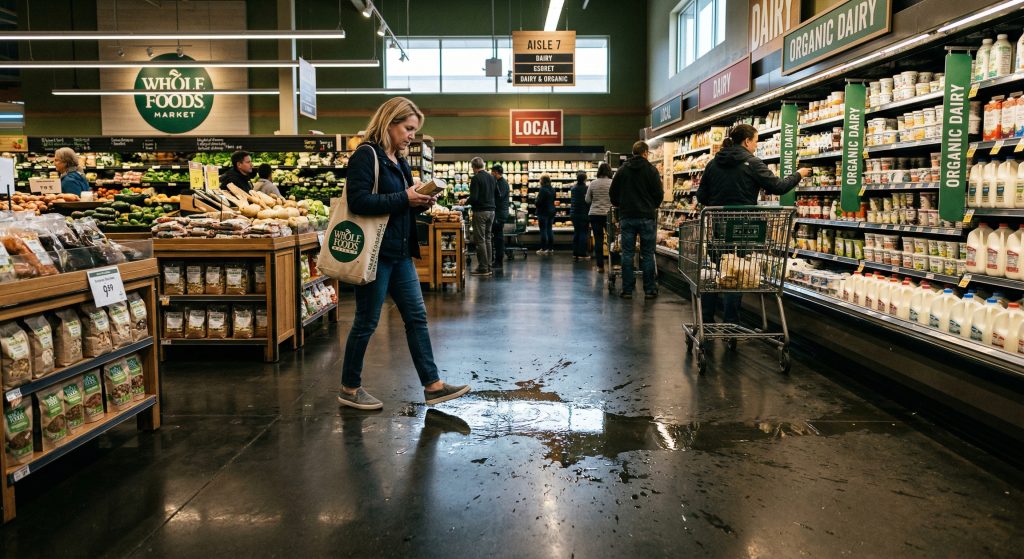
Slip and fall accidents at upscale grocery stores like Whole Foods often happen in areas customers don’t expect—fresh produce sections, prepared food bars, and high-traffic aisles.
If you experienced a Whole Foods slip and fall in California, what you do immediately after the incident can significantly impact your ability to recover compensation.
Whole Foods stores operate with a fast-paced, self-service environment where customers frequently interact with food, liquids, and displays. This creates unique risks that require consistent monitoring and maintenance.
If you are unsure about your situation, speaking with a slip and fall lawyer in Los Angeles can help you understand your options.
Watch: What To Do After a Slip and Fall at Whole Foods
This video explains what steps to take after a grocery store slip and fall, including how to document the scene, report the incident, and protect your claim.
Immediate Steps After a Whole Foods Slip and Fall in California
Report the Incident to Management
Whole Foods has internal reporting procedures for incidents.
Make sure:
- A report is created
- You describe exactly what caused the fall
- You note the time and location
Without documentation, your claim becomes harder to prove.
Document the Hazard Immediately
Whole Foods environments often include:
- Open food displays
- Self-service stations
- Liquid-heavy areas
Take photos of:
- The hazard (spill, food, moisture)
- Surrounding area
- Absence of warning signs
- Nearby cameras
Hazards in these stores are often cleaned quickly, so timing matters.
Seek Medical Attention
Even if symptoms feel minor, get evaluated.
Common injuries include:
- Back and spine injuries
- Knee injuries
- Head trauma
According to fall-related injury statistics, falls are a leading cause of injury in the United States.
Whole Foods Slip and Fall California: Who Is Liable?
Under California premises liability law, Whole Foods must maintain safe conditions for customers.
To prove liability, you must show:
- A dangerous condition existed
- The store knew or should have known
- The condition was not fixed or properly warned about
Unique Risk Areas Inside Whole Foods
Unlike traditional grocery stores, Whole Foods has specific high-risk zones.
Prepared Foods and Hot Bar Areas
Customers frequently handle food, leading to:
- Dropped items
- Grease or liquids on the floor
Produce Section
Water is commonly used to keep produce fresh, creating:
- Wet floors
- Slippery surfaces
Beverage and Juice Areas
Spills are common due to:
- Self-service drinks
- Open containers
Common Causes of Whole Foods Slip and Falls
- Liquid spills
- Food debris
- Recently cleaned floors without warning
- Wet produce areas
- Customer-caused hazards not addressed quickly
Each of these may support a claim depending on how long the hazard existed.
Evidence That Can Strengthen Your Case
Key evidence includes:
- Photos of the hazard
- Incident report
- Surveillance footage
- Witness statements
- Medical documentation
Understanding what evidence is needed for a slip and fall case can significantly improve your claim.
How Insurance Companies Handle These Claims
Insurance companies often argue:
- The hazard appeared suddenly
- It was obvious
- You were not paying attention
- You delayed treatment
Their goal is to reduce liability and minimize payouts.
What Compensation May Be Available
Medical Expenses
- Treatment
- Therapy
- Future care
Lost Income
- Missed work
- Reduced earning capacity
Pain and Suffering
- Physical pain
- Emotional distress
Long-Term Impact
Serious injuries may require ongoing care.
You can learn more about how much a slip and fall case is worth to understand potential outcomes.
Related Grocery Store Slip and Fall Cases
Slip and fall cases vary depending on the store environment.
For example:
Each involves different hazards and legal considerations.
Frequently Asked Questions
Can I sue Whole Foods for a slip and fall?
Yes, if negligence can be proven.
What if there was no warning sign?
This may strengthen your case.
What if I didn’t feel injured right away?
You may still have a claim if symptoms appear later.
Do I need a lawyer?
Understanding whether you need a lawyer for a slip and fall in California can help you decide.
How long do I have to file a claim?
In California, the statute of limitations is generally two years.
Speak With a Slip and Fall Trial Lawyer
If you were injured in a Whole Foods slip and fall in California, taking action early can significantly impact your case.
Khorshidi Law Firm represents individuals in serious injury cases throughout Los Angeles.
Khorshidi Law Firm, APC
Phone: (833) 338-0369
Website: https://www.khorshidilaw.com








 Slip And Fall
  accident guru
attorney for slip and fall injury
best slip and fall lawyer
grocery store injury lawyer
khorshidi law firm
lawyer for grocery store accidents
omid khorshidi
slip and fall injury lawyer
slip from wet floor injury
slipped at whole foods
whole foods injury
whole foods injury claim
whole foods injury lawyer
whole foods slip and fall injury
accident guru
attorney for slip and fall injury
best slip and fall lawyer
grocery store injury lawyer
khorshidi law firm
lawyer for grocery store accidents
omid khorshidi
slip and fall injury lawyer
slip from wet floor injury
slipped at whole foods
whole foods injury
whole foods injury claim
whole foods injury lawyer
whole foods slip and fall injury
- Share:












 click to calL, it’s free


