

Top Rated Uber Car Accident Lawyers: 10-Question Scorecard
 0
0The top rated Uber and rideshare car accident lawyers are not just top rated personal injury lawyers who also take Uber cases. They are lawyers who actually understand the four-period TNC insurance structure, the January 2026 changes under SB 371 that reduced passenger UM/UIM coverage by 94%, the Uber binding arbitration clause and when it does and does not apply, the multi-defendant insurance map across primary and excess layers, and the evidence preservation timeline for app data and ELD records. Below is a 10-question scorecard you can use in any free consultation — with any firm — to tell whether you are talking to a real Uber specialist or a generalist personal injury lawyer who will figure it out as they go. Free consultation with a California trial attorney: (833) 338-0369.
The Scorecard
Here it is up front. Ask any prospective Uber accident lawyer these 10 questions in your free consultation. The right answers are below each one.
1. “How many Uber, Lyft, or rideshare cases have you personally handled in the last three years?”
2. “What changed for Uber passenger UM/UIM coverage on January 1, 2026?”
3. “What are the four insurance periods under California’s TNC framework, and what coverage applies in each?”
4. “Does the Uber arbitration clause apply to my case?”
5. “Who are all the potential defendants in a rideshare case?”
6. “What evidence has to be preserved in the first weeks, and how?”
7. “What is the MCS-90 endorsement, and does it apply here?” (trick question for rideshare cases)
8. “What is the current status of Proposition 22 and driver classification?”
9. “How will you handle my own personal auto UM/UIM coverage now that Uber’s has dropped?”
10. “How many cases have you tried to verdict in the last five years?”
If the lawyer cannot answer most of these confidently and specifically, they are not a rideshare specialist. They may be a fine personal injury lawyer for other types of cases, but they are not who you want on a serious Uber case in 2026.
The rest of this post explains why each question matters and what the correct answer looks like.
Question 1 — Direct Rideshare Case Experience
Why it matters. Rideshare cases require specific working knowledge of Uber’s and Lyft’s commercial insurance carriers (Progressive, James River, and others), the app data discovery process, and the strategic decisions that come up only in rideshare cases. A lawyer who has handled five auto accident cases for every one rideshare case is a generalist.
The right answer. A specialist should be able to tell you a specific number of rideshare cases handled, the rough mix of passenger versus non-passenger cases, and the outcomes. Vague answers (“we handle these all the time”) are a yellow flag.
Question 2 — The January 2026 SB 371 Change
Why it matters. This is the most important change in California rideshare insurance law in years, and it directly affects what a passenger can recover when hit by an uninsured at-fault driver. As of January 1, 2026, Senate Bill 371 reduced the required UM/UIM coverage during Period 3 (passenger on board) from $1 million per trip down to $60,000 per person and $300,000 per accident. That is a 94% reduction.
The right answer. The lawyer should know about SB 371, know the new numbers, and be able to explain the practical consequences for passenger cases where the at-fault other driver is uninsured. If the lawyer still references “Uber’s $1 million UM/UIM,” they are working from outdated information and you should look elsewhere.
Question 3 — The Four-Period TNC Insurance Structure
Why it matters. California’s TNC framework under Public Utilities Code §§ 5430 et seq. divides rideshare driver activity into periods, and the required insurance changes dramatically across them. Picking the wrong period at the start of the case costs serious money.
The right answer. The lawyer should be able to walk through:
- Period 0 (app off) — driver’s personal insurance only
- Period 1 (app on, no ride accepted) — $50K/$100K/$30K plus $200K additional liability
- Period 2 (ride accepted, en route to passenger) — $1 million primary liability
- Period 3 (passenger on board) — $1 million primary liability plus $60K/$300K UM/UIM as of January 1, 2026
If they cannot explain these without looking them up, keep calling.
Question 4 — The Uber Arbitration Clause
Why it matters. When you sign up for Uber, you agree to terms of service with a binding arbitration clause. Whether that clause applies to your case dramatically affects strategy.
The right answer. The lawyer should explain that:
- The clause typically applies to passengers who used the app to book the ride
- The clause does NOT typically apply to non-passengers — other drivers, pedestrians, cyclists, and people in other vehicles hit by an Uber driver
- Enforceability depends on the specific version of the terms of service in effect when the passenger signed up
- Strategic forum decisions (arbitration vs court) are case-by-case, not reflexive
A lawyer who is not aware of the arbitration issue, or who reflexively says “arbitration is bad” or “arbitration is fine” without analyzing the case, is not a specialist.
Question 5 — The Multi-Defendant Insurance Map
Why it matters. A serious rideshare case has more than one defendant, and identifying every one of them in the first 30 days is what separates a six-figure recovery from a seven-figure recovery.
The right answer. Potential defendants include:
- The Uber/Lyft driver personally
- Uber Technologies, Inc. or Lyft, Inc. through commercial coverage
- The at-fault other driver (if not the Uber driver)
- The other driver’s employer if they were working
- Vehicle manufacturers if a defect contributed
- The vehicle owner if different from the driver
- Government entities for road condition issues
A specialist will also discuss the layering of primary, excess, and umbrella coverage — and your own personal auto UM/UIM coverage as a now-critical fallback after SB 371.
Question 6 — Evidence Preservation Timeline
Why it matters. Rideshare cases involve evidence that disappears fast — driver app data, ELD/GPS records, the carrier’s claim file, surveillance video. Letters need to go out within days, not months.
The right answer. The lawyer should describe specific preservation letters going to Uber/Lyft directly, the at-fault driver’s insurance carrier, nearby businesses with cameras, and CHP for the traffic collision report. They should mention the app data subpoena process and the difficulty of obtaining accepted-ride records once they are buried in Uber’s archives.
Question 7 — The MCS-90 Question (A Trick Question)
Why it matters. This is the question to ask if you want to know whether the lawyer is genuinely Uber-specialized or just claims rideshare experience as a marketing label.
The right answer. The MCS-90 is a federally-mandated endorsement on commercial trucking liability policies under 49 CFR Part 387. It is a trucking concept, not a rideshare concept. A real Uber specialist will tell you the MCS-90 is irrelevant to a rideshare case. A lawyer who tries to apply it to your Uber case, or who fumbles the answer, is conflating commercial trucking with rideshare. They are not specialized in either.
Question 8 — Proposition 22 and Driver Classification
Why it matters. Whether Uber drivers are employees or independent contractors affects multiple liability theories.
The right answer. As of June 2026, California app-based rideshare drivers are independent contractors under Proposition 22, which California voters passed in November 2020. Prop 22 was challenged in court and ultimately affirmed by the California Supreme Court in Castellanos v. State in 2024. A specialist should know this without research.
Question 9 — Your Own Personal Auto UM/UIM Coverage
Why it matters. After SB 371 dropped Uber’s Period 3 UM/UIM coverage to $60,000 per person, the injured passenger’s own personal auto UM/UIM coverage is now the most important fallback in cases involving uninsured at-fault other drivers. A specialist should be auditing your personal coverage as one of the first steps.
The right answer. The lawyer should immediately ask whether you carry UM/UIM on your own personal auto policy and at what limits. They should explain how stacking, household residency, and family member policies can multiply available coverage. If they do not ask about your personal coverage in the consultation, they have already missed the most consequential dollar in a passenger-versus-uninsured-driver case.
Question 10 — Trial Record
Why it matters. Rideshare cases settle for what carriers believe the lawyer can get at trial. A lawyer who has never tried a case settles for what the carrier offers.
The right answer. Specific numbers. Specific verdicts. Specific courts. A lawyer who fumbles this question is not a trial lawyer in any meaningful sense, and the carrier’s settlement offers will reflect that.
How Khorshidi Law Firm Measures Against the Scorecard
I’ll let the scorecard speak for itself. Here is how my firm answers each question.
Q1 (rideshare experience): Personal direct handling of California rideshare cases since the platforms entered the state more than a decade ago, including passenger, non-passenger driver, pedestrian, and cyclist cases.
Q2 (SB 371): Yes, I track California rideshare legislation closely. The January 1, 2026 reduction to $60,000 per person and $300,000 per accident for Period 3 UM/UIM is one of the most important developments for California rideshare passengers in years, and my firm has updated its intake and case strategy accordingly.
Q3 (TNC periods): Period 0 (personal insurance only), Period 1 ($50K/$100K/$30K plus $200K additional), Period 2 ($1 million primary), Period 3 ($1 million primary plus $60K/$300K UM/UIM as of January 1, 2026).
Q4 (arbitration): Generally applies to passengers, generally does not apply to non-passengers. Enforceability depends on the version of the terms of service in effect when the passenger signed up, the specific claims, and current California enforceability law. Strategic decisions about forum are made case-by-case.
Q5 (multi-defendant): Driver, Uber Technologies Inc., at-fault other driver, other driver’s employer if applicable, vehicle manufacturers, vehicle owner if different from driver, and government entities for road condition issues. Each typically has separate insurance worth mapping in the first 30 days.
Q6 (evidence preservation): Preservation letters to Uber/Lyft, all carriers, nearby businesses with cameras, and CHP within days of the crash. Formal discovery to obtain driver app data, accepted-ride records, GPS data, and ELD information.
Q7 (MCS-90): Irrelevant to rideshare cases. It is a federal commercial trucking endorsement, not a rideshare concept.
Q8 (Prop 22): California app-based rideshare drivers are independent contractors under Proposition 22, affirmed by the California Supreme Court in Castellanos v. State in 2024.
Q9 (personal UM/UIM): This is now the most consequential dollar in many passenger cases. I audit personal auto coverage at intake and explore stacking and household coverage opportunities.
Q10 (trial record): Trial attorney for more than 20 years. Lifetime Charter Member of the Million Dollar Advocates Forum. Lifetime Charter Member of Best Attorneys of America. Litigator Award 2014 (Personal Injury Trial Lawyer) and 2015 (Top 1% of Lawyers). Avvo Superb rating. Active California State Bar standing with no public discipline.
Red Flags That Tell You a Lawyer Is Not a Real Uber Specialist
The opposite of the scorecard above. Watch for any of these in a consultation:
- References to “Uber’s $1 million UM/UIM” without acknowledging the SB 371 change
- Inability to explain the four-period TNC structure without looking it up
- Confusion about whether the Uber arbitration clause applies
- Failure to ask about your personal auto UM/UIM coverage
- Vague answers about how many rideshare cases they have actually handled
- No discussion of preservation letters or app data discovery
- Generic premises liability or auto accident framing rather than rideshare-specific
- Application of trucking concepts (MCS-90, FMCSA hours of service, FMCSR) to your rideshare case
- “We’ll figure it out” or “trust me” instead of specific answers
A lawyer who hits two or more of these in a free consultation is not a specialist. They may be perfectly competent for a routine fender-bender. A serious rideshare injury case deserves better.
Frequently Asked Questions
What makes an Uber accident lawyer “top rated”?
For Uber and rideshare cases specifically, “top rated” should mean documented rideshare case experience, working knowledge of California’s four-period TNC insurance structure, current familiarity with the SB 371 changes effective January 1, 2026, understanding of the Uber arbitration clause, a multi-defendant strategy approach, and verifiable peer-reviewed credentials like Million Dollar Advocates Forum, Super Lawyers, Best Lawyers in America, Martindale-Hubbell AV Preeminent, and the Litigator Award.
Are Uber cases handled the same as regular car accident cases?
No. Uber cases involve federal TNC regulations, California-specific commercial coverage requirements under California Public Utilities Code §§ 5430 et seq., the Uber binding arbitration clause for passengers, and a multi-defendant insurance structure across primary, excess, and umbrella policies. A general auto accident lawyer who has not specifically handled rideshare cases will miss issues that specialists routinely catch.
How do I verify a lawyer’s California Bar standing?
Use the State Bar of California attorney search. Confirm active status, admission date, and the absence of any public discipline. This takes 30 seconds.
How much does a top rated Uber accident lawyer cost?
Nothing up front. California personal injury cases are handled on contingency. The fee is a percentage of the recovery, and if there is no recovery, there is no attorney fee. Consultations are free.
What is the most important question to ask in a free Uber accident consultation?
Probably “What changed for Uber passenger UM/UIM coverage on January 1, 2026?” The answer tells you whether the lawyer tracks current California rideshare law or whether they are operating from outdated information.
How long do I have to find an Uber accident lawyer after a California crash?
The statute of limitations is two years from the date of injury under California Code of Civil Procedure § 335.1, but you should call within days, not months. Surveillance video, app data, and witness availability deteriorate fast. Earlier lawyer involvement means more evidence preserved.
Talk to a Trial Attorney Today
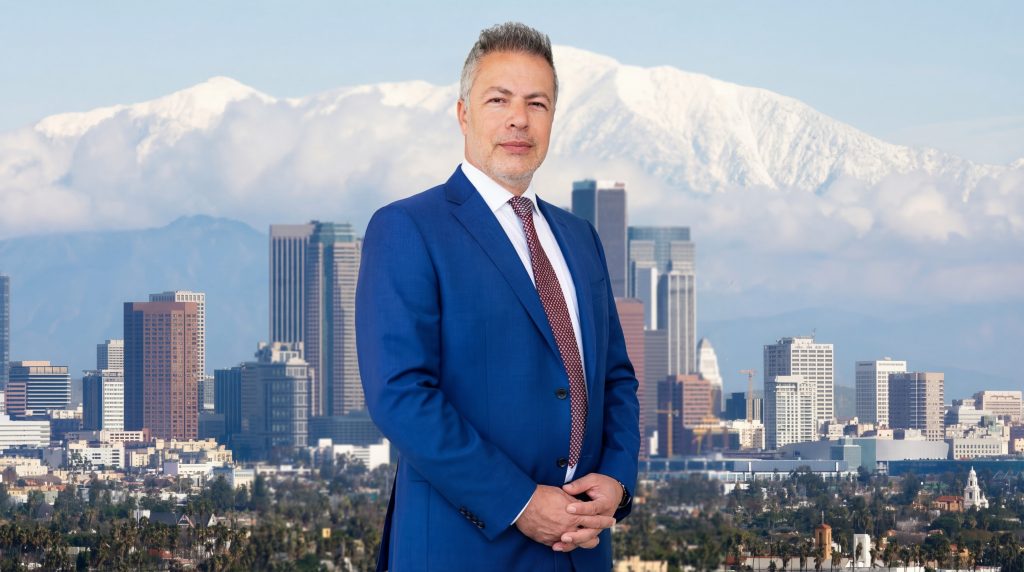
If you were hurt in an Uber or other rideshare crash anywhere in California, call Khorshidi Law Firm at (833) 338-0369 for a free, confidential consultation with attorney Omid Khorshidi. Use the scorecard in this article to evaluate us. Use it to evaluate every other firm you speak with. The right lawyer for your case is the one who passes the scorecard, not the one with the biggest billboard.
You owe us nothing unless we win.
Khorshidi Law Firm, APC 8822 W. Olympic Blvd. Beverly Hills, CA 90211 Phone: (833) 338-0369 Serving Uber and rideshare accident victims throughout California.
You can verify our California Bar standing at the State Bar of California attorney search.
Disclaimer: This blog is for informational purposes and is not legal advice. Khorshidi Law Firm is not affiliated with, associated with, endorsed by, or sponsored by Uber Technologies, Inc., Lyft, Inc., or any other rideshare or transportation network company. All references to these companies are nominative and used to describe the legal subject matter. Every case is different and outcomes depend on the specific facts and law applicable to your situation. The Experience section reflects general patterns from California rideshare practice and is not a representation of specific case results. Past results do not guarantee future outcomes. Communication through this page does not create an attorney-client relationship. For advice about your specific matter, please contact our office directly.

 Car Accident
  best lyft accident lawyer california
best uber accident lawyer california
best uber crash lawyer
i was involved in a uber accident
top rated rideshare accident attorney
top rated uber lawyer near me
top uber car accident attorneys
uber car accident injury attorney
uber injury lawyer in los angeles
best lyft accident lawyer california
best uber accident lawyer california
best uber crash lawyer
i was involved in a uber accident
top rated rideshare accident attorney
top rated uber lawyer near me
top uber car accident attorneys
uber car accident injury attorney
uber injury lawyer in los angeles
- Share:












 click to calL, it’s free


