

Apartment Slip and Fall: Landlord Responsibility in California
 0
0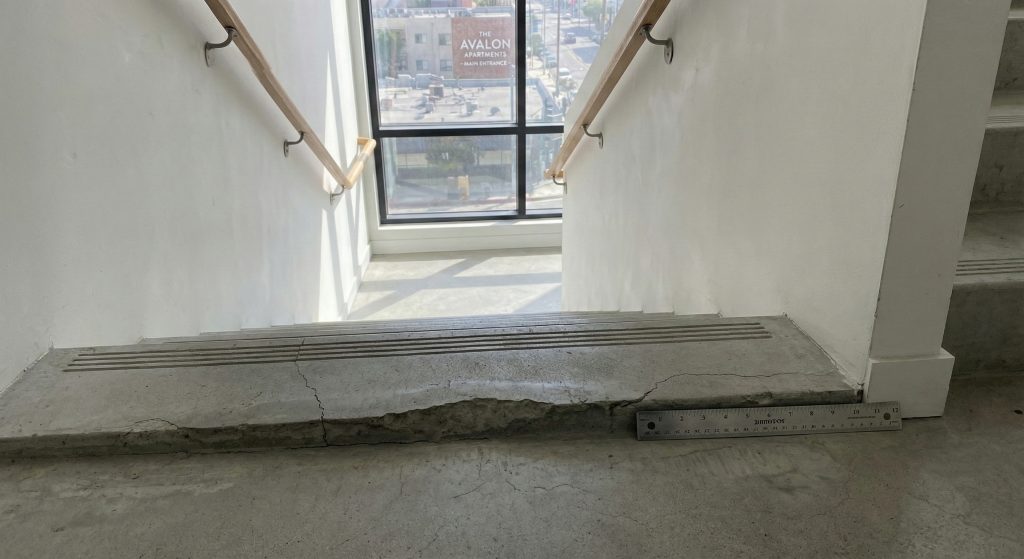
Apartment slip and fall cases in California often come down to one question: is the landlord responsible? If you slipped, tripped, or fell at an apartment complex in California, the biggest question is usually this:
Apartment Slip and Fall: When Is a Landlord Responsible in California?
Sometimes the answer is clearly yes. Other times it depends on where you fell, what caused the fall, and what the landlord knew (or should have known) before it happened.
This guide breaks down landlord responsibility in plain English, what evidence matters most, common defenses landlords use, and what to do next if you were hurt.
(General information only. Not legal advice.)
The Short Version: When a California Landlord Can Be Responsible
In California, landlords and property managers generally have a duty to keep the property reasonably safe. When they fail to fix dangerous conditions, warn residents, or maintain common areas, they can be liable under premises liability rules.
A slip-and-fall claim usually comes down to proving:
A dangerous condition existed (water, broken stairs, uneven concrete, poor lighting, etc.)
It caused your fall (not guesswork)
The landlord or manager knew or should have known about it (notice)
They failed to fix it or warn in reasonable time
You suffered damages (medical bills, lost income, pain, limitations)
That “notice” part is where most apartment complex cases are won or lost.
California Civil Jury Instructions (CACI): Premises Liability (essential elements)
Where You Fell Matters: Common Area vs Inside the Unit
1) Falls in Common Areas (Often the Strongest Claims)
Common areas are places the landlord controls and maintains, like:
walkways and sidewalks
stairwells
parking lots and garages
entryways and lobbies
laundry rooms
hallways
pools, patios, and courtyards
mailrooms and trash areas
If you fell in a common area, landlord responsibility is often a central issue because the landlord/property manager typically has ongoing duties to inspect, maintain, and repair those areas.
2) Falls Inside Your Apartment (More Case-Specific)
Falls inside a unit can still be a claim—but it depends on facts like:
Did the landlord create the hazard (bad repair, faulty flooring install)?
Did the landlord know about a defect and ignore repair requests?
Was it an obvious tenant-caused condition (spilled water, clutter)?
Did the hazard violate building codes or basic safety expectations?
In general, common-area falls are easier to litigate than private-unit falls.
Typical Apartment Complex Hazards That Lead to Liability
Here are the hazards that repeatedly show up in California apartment slip/trip/fall cases:
Walkways / Sidewalks
cracked or raised concrete
uneven pavers
holes and depressions
tree root uplift
slippery moss/algae buildup
poor drainage creating recurring puddles
Stairs and Railings
broken or loose handrails
missing handrails
uneven steps or inconsistent step heights
worn stair treads
slippery paint/sealant
poor lighting in stairwells
Parking Lots / Garages
oil spills and slick areas
broken pavement or potholes
speed bumps not visible at night
poor lighting or burned-out fixtures
water accumulation from leaks
Entrances, Lobbies, Hallways
wet floors with no warning signs
torn carpet or loose mats
slippery tile and inadequate traction
construction debris or tools left out
leaks from ceilings or sprinklers
Pools / Courtyards
slippery surfaces without traction
algae or grime buildup
broken tiles
water tracked without mats/drainage
California Attorney General: Know Your Rights (Habitability)
The #1 Legal Issue: Did the Landlord Have “Notice”?
Landlords and management companies almost always defend these cases by saying:
“We didn’t know about it.”
That’s the defense. Your job is to show they knew or should have known.
Actual Notice (They Really Knew)
Examples:
you or another tenant reported it
maintenance was asked to fix it
prior incident reports exist
emails/texts/portal requests show repeated complaints
the hazard was previously “patched” or marked
Constructive Notice (They “Should Have Known”)
Even if nobody reported it, landlords can still be responsible if the hazard existed long enough that a reasonable inspection would have found it.
Examples:
dirty water stains indicating a long-standing leak
algae buildup on walkways over time
cracked concrete that looks old and weathered
light outages that lasted days/weeks
repeated puddles in the same area from drainage issues
Translation: If it wasn’t brand new, and it was discoverable through routine maintenance, the landlord can still be liable.
Landlord vs Property Manager vs HOA: Who Is Actually Responsible?
Apartment complex cases often involve multiple entities:
Property owner / landlord (the legal owner)
Property management company (day-to-day operations)
Maintenance vendor/contractor (if outsourced repairs)
HOA (sometimes, if it’s a condo complex)
Security company (rare but possible)
Landscaping company (walkways, trimming, algae removal)
Cleaning company (wet floors, mopping practices)
The responsible party depends on who controlled the area and who had the duty to maintain it.
This is why apartment slip-and-fall cases are often won by identifying the right defendant and obtaining maintenance records.
California Tenants Guide (DRE): Rights & Responsibilities (PDF)
Evidence That Wins Apartment Complex Slip & Fall Cases
If you want to build a strong claim, here’s what matters most:
1) Photos and Video (Immediately)
Take:
wide shots showing location
close-ups showing hazard
multiple angles
lighting conditions (especially at night)
warning signs (or lack of them)
your shoes and clothing
Here’s a full breakdown of what insurers and defense lawyers look for: what evidence is needed for a slip and fall claim.
2) Incident Report + Names
If possible:
report it to management
get the manager’s name
ask for a report number or written confirmation
3) Witnesses
Witnesses are powerful when they can say:
they saw the hazard before you fell
they’ve seen it for weeks
they’ve complained about it before
Get:
names and phone numbers
short written statement if they’re willing
4) Medical Records (Tie the Fall to the Injury)
urgent care/ER same day or next day
imaging (X-ray/MRI)
follow-up care
doctor work restrictions
Delays become ammunition for the defense.
5) “Notice” Evidence (Your Case Power Source)
This is what forces landlords to take claims seriously:
maintenance logs
prior complaints
email/portal tickets
inspection schedules
vendor invoices
repair history
prior similar incidents
A good lawyer targets these records quickly.
Here’s a full breakdown of what insurers and defense lawyers look for: what evidence is needed for a slip and fall claim.
Common Landlord Defenses (and How They Try to Avoid Paying)
Expect these arguments:
“We Didn’t Know”
Your response: show notice through complaints, records, or the hazard’s age/appearance.
“It Was Open and Obvious”
They claim you should’ve seen it.
Counter: lighting, crowding, visual distractions, and hazardous conditions can still be unreasonably dangerous even if “visible.”
“You Were Wearing the Wrong Shoes / Not Watching”
California uses comparative fault. Even if they blame you partly, you can still recover—your recovery may be reduced by your percentage of fault.
“It Happened Inside Your Unit, Not Our Problem”
Sometimes true, sometimes not. If the hazard ties back to landlord maintenance (leak, defective flooring, failed repair), they can still be liable.
“We Fixed It Right After”
Fixing it after the fact doesn’t erase responsibility—what matters is whether it was unsafe before you fell and whether they acted reasonably beforehand.
Special Situations That Create Strong Claims
Repeated Leaks (Ceiling/Plumbing)
Recurring water in hallways or stairwells is a huge red flag because it suggests ongoing notice.
Broken Lighting
Falls in dark stairwells and walkways often become strong cases when lighting was reported but ignored.
Stair Defects / Missing Handrails
Stairs are high-risk areas where building safety standards and reasonable maintenance are critical.
Prior Complaints
If multiple tenants complained about the same hazard, it’s often a major turning point in the claim.
What To Do After an Apartment Complex Slip and Fall (First 24–48 Hours)
If you’re able, do this immediately:
Photograph/video the hazard (before it changes)
Report it to management and document the report
Get witness info (neighbors, residents, staff)
Save your shoes and clothing (don’t clean or throw them out)
Get medical care and keep records
Write down the timeline (exact location, time, lighting, what you saw)
FAQs: Apartment Complex Slip and Fall Landlord Responsibility (California)
Can I sue my landlord for a slip and fall in California?
Sometimes. If the fall happened in a common area or resulted from a dangerous condition the landlord knew or should have known about, you may have a claim.
What if I fell in a hallway or stairwell?
Those are usually common areas. Landlords and property managers typically have duties to inspect and maintain them.
Do I need witnesses?
No, but they help. Photos/video, incident reports, and maintenance records can prove the case without witnesses.
What if I’m partially at fault?
California comparative fault rules may reduce recovery, but partial fault does not automatically eliminate your claim.
How do I prove the landlord knew about the hazard?
Prior complaints, maintenance logs, inspection records, vendor invoices, and the hazard’s age/appearance can prove notice.
Free Case Review: California Apartment Slip & Fall
If your apartment slip and fall happened in California, the fastest way to find out whether you have a strong claim is to review:
where it happened (common area vs unit)
photos/video
what management knew or should have known
your medical timeline and injuries
Call: (310) 273-2211
Email: contact@khorshidilaw.com
Office: 8822 W Olympic Blvd, Beverly Hills, CA 90211
(No fee unless we win. Past results don’t guarantee future outcomes.)








 Slip And Fall
  apartment complex accidents
apartment injury lawyer
broken handrail injuries
california personal injury law
hallway slip and fall
landlord responsibility california
los angeles slip and fall lawyer
maintenance and inspection logs
parking lot slip and fall
poor lighting accidents
premises liability california
property management negligence
proving notice in slip and fall
sidewalk trip hazards
slip and fall
stairwell falls
tenant injury claims
trip and fall
unsafe common areas
wet floor accidents
apartment complex accidents
apartment injury lawyer
broken handrail injuries
california personal injury law
hallway slip and fall
landlord responsibility california
los angeles slip and fall lawyer
maintenance and inspection logs
parking lot slip and fall
poor lighting accidents
premises liability california
property management negligence
proving notice in slip and fall
sidewalk trip hazards
slip and fall
stairwell falls
tenant injury claims
trip and fall
unsafe common areas
wet floor accidents
- Share:











 click to calL, it’s free


